Book report: thrills
Let me tell you about some complicated men.

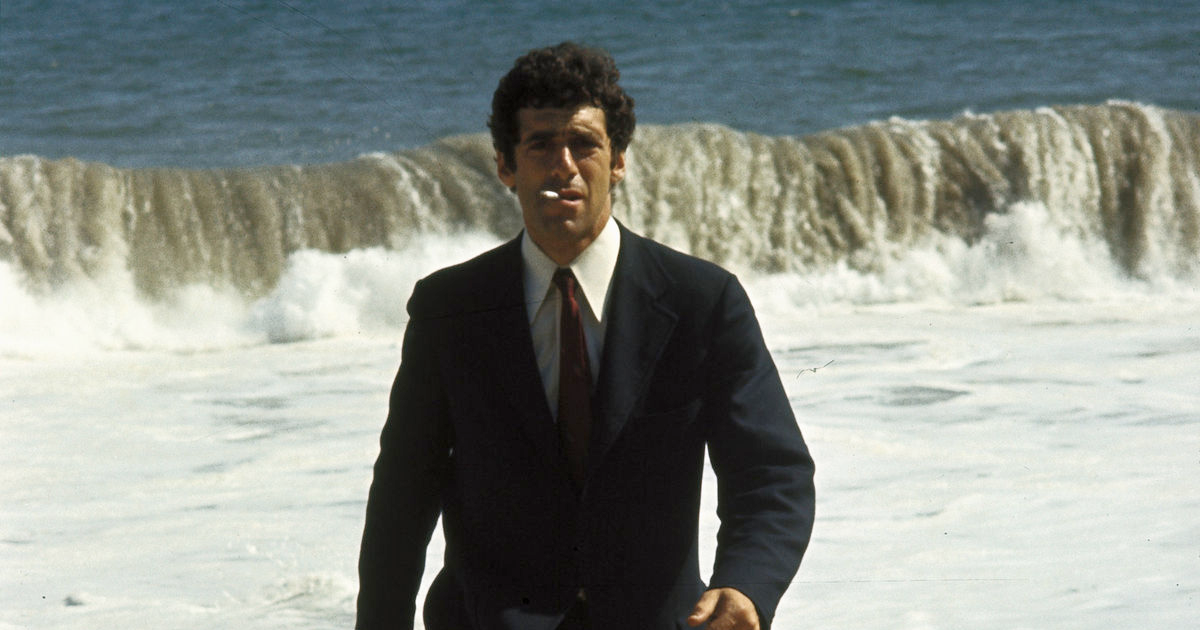
A Violent Masterpiece, Jordan Harper
He knows how the thing we call conspiracy happens in the real world—how much of it is people just going along with the flow, trapped in cages they don't see, following orders nobody says out loud. How violence moves through the world in a million different ways. The deepest conspiracies are the ones we ourselves are a part of. The ones that are running around us all the time, around us and through us too. Conspiracy to keep the machine greased and running, conspiracy to not see what's in front of our eyes, conspiracy to say "it is what it is" instead of "it is what we built it to be."
A streamer straight out of NIGHTCRAWLER, a fixer on the hunt for her missing best friend, and a Skid Row defence attorney walk into one of the sleaziest bars in downtown Los Angeles, their paths tangling together in a twisted web that goes all the way to the top. This novel's marketing copy promises, among other things, "ketamine-addled sitcom stars, a killer cop on death row, medical cannibals, coyotes, a sadistic Tarzan, and a three day, fifty million dollar wedding" and it absolutely delivers. Think John Grisham for the dirtbag left, Raymond Chandler for the TMZ-pilled, The Day of the Locust live on Twitch. It's hyper-contemporary with a deep understanding of the horrors that come from unchecked power and unfettered access, taking aim at thinly-veiled characterizations of Armie Hammer, Dan Schneider, Epstein, and their ilk (one of the villains is a drugged-out plastic surgeon straight out of a Pynchon paperback, a dream!). The platonic ideal of a beach read for me: deeply nihilistic—one craves some darkness when you're in the blinding sun—and utterly immersive.
Cloudthief, Nathaniel Rich
Decades of wildfires and droughts and sinkholes stretched before me, an interminable succession of tragedy and wishful thinking and regret. I guess you could say I had burned out (or sunk into a hole). I couldn't go on. But I couldn't afford to stop. My sister needed money or she'd go blind. I needed money or I wouldn't have an apartment. Yes, I might have applied for a comms job, regurgitating the same press releases I received daily, but I'd rather roughneck on a rig in the Gulf. I needed... what, exactly? Glory? Love? Fulfillment? Yes, each of these things, along with a hundred other inscrutable feelings threaded together in a mysterious totality, the shape and heft of which I had only begun to sense.
I'm a longtime fan of Nathaniel Rich's nonfiction writing (his piece in Harper's on the Louisiana Nutria Rodeo, an event in which people compete to kill as many swamp rats as possible, is an all-timer, and his book Second Nature is a fascinating exploration of the various ways humanity is killing, adapting, and re-engineering the natural world). I don't read the New York Times anymore, but I admire the beat he's carved for himself as a contributing writer to their magazine—in his own words, he writes about "desperate people in dicey situations." The main character of his new novel is also a writer for "the Magazine," and he initially hides behind his editorial integrity before spiralling into that very world of desperate, dicey situations—first breaking into storage units, then robbing a data-centre server, culminating in a staggering third-act heist. I could have done without the narrative framing device, and the descriptions of the female protagonist, a Lisbeth Salander type who lives off the grid because she can't bear the contemporary surveillance state, ground my gears occasionally (1), but I've read few novels that capture the enshittification of everything as well as this one does.
Apropos of nothing:
 Ira Wells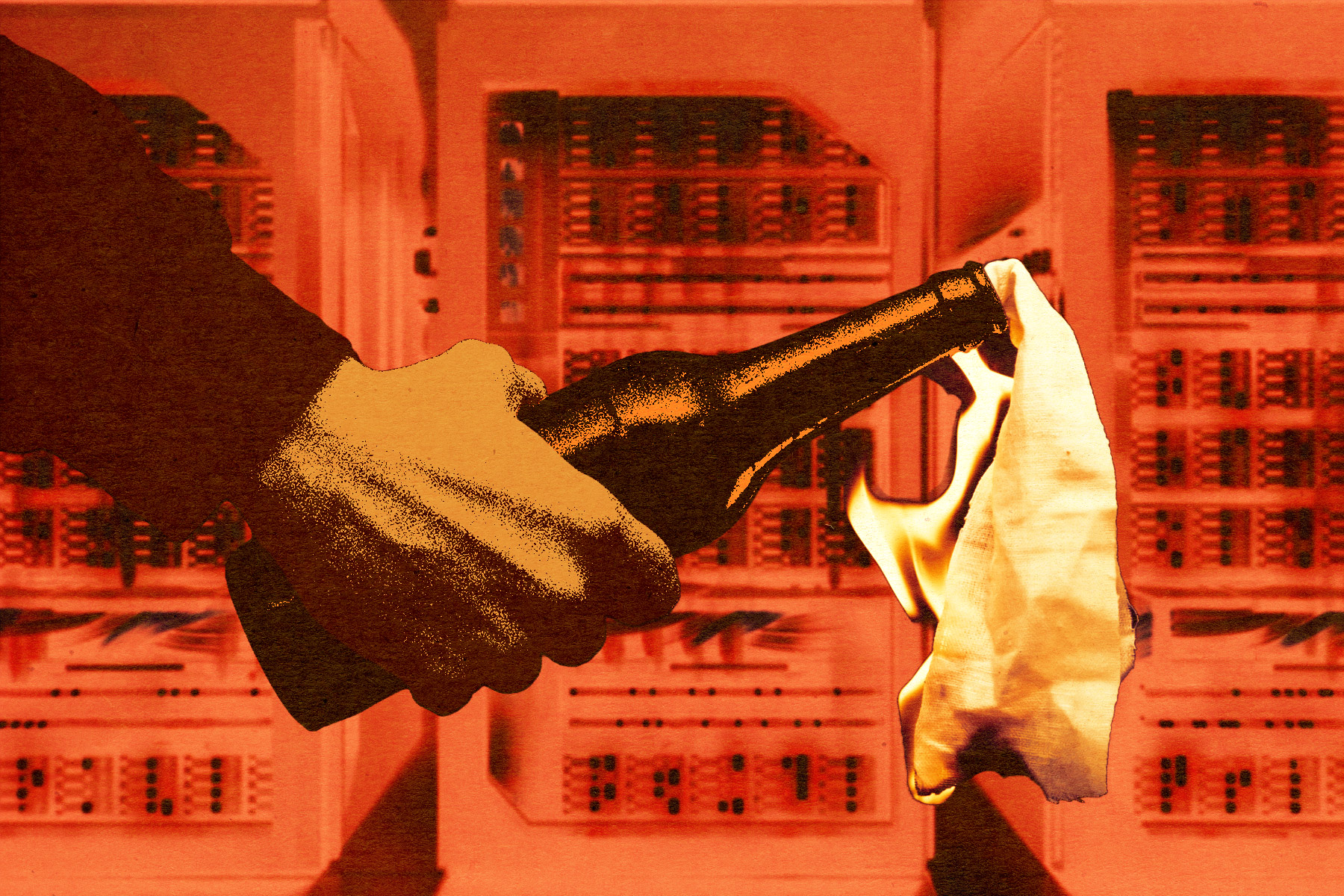

Don't Step into My Office, David Fishkind
We passed the joint back and forth until it was crumbles of ash, and then we held hands and walked to the stairs, and Emma caressed my back, and I lifted her, and I dropped her in the bed, and she was glowing, glowing, and soon breathing hard, snoring, and I was stoned, but more wired, holding on to the drunks of nights past, and I was neurotic, twitching, and counted to five hundred and something, and then I got up and flushed all the toilets, and plugged in my phone, and its screen kept doing weird stuff, and then I was asleep on the couch, my echo chamber buffeted with delusory plinking sounds, the crank of gears, the depressions and whines of metal folding on metal, pressing letters in gold, like a sign, or a target, or a plaque.
Jacob Garlicker witnessed a murder seven years ago, on the outskirts of the city and in the depths of addiction. Now he's mostly doing fine, except for his middling writing career, his femme-fatale book agent, and a mysterious lump in his gut. He's also stuck on Long Island with his wife's WASPy family and all of the wealthy locals are acting strange, not to mention responding poorly to his fixation on Jay Gatsby's obvious Jewish identity. "Hapless stoner stumbles into a conspiracy" is one of my all-time favourite tropes, and Jacob is up there with Altman's Marlowe and Pynchon's Doc Sportello—this is a capital-D Dude Novel, in which a boozed-up clueless burnout faces sexual predicaments, gives grandiose monologues, and always winds up getting out of a situation just in time. Per Fishkind, Jacob is “this kind of entitled, overeducated, coddled millennial. An everyman loser. I think that has something to do with the glut of upper middle class life, how many college-educated liberal-arts-degree people have no real plan beyond that." Many contemporary novels these days give perhaps too much grace to someone in such a position; it's a delight to experience something so cutting while also being FUN!
(1) If I lived in a storage unit I simply would not wear a bra, e.g.!!! It's giving Berger writing about a scrunchie.